Every business wants more leads.
Marketing teams spend countless hours running campaigns, creating content, managing social media, and investing in advertisements to attract potential customers. Notifications start pouring in. Forms get submitted. Phone calls arrive. Enquiries land in the inbox.
Everything seems to be working.
Yet somehow, sales numbers fail to reflect the same success.
If this sounds familiar, you're not alone.
Many businesses believe their biggest challenge is generating more leads. In reality, the problem often begins after the lead arrives. The gap between marketing and sales is where opportunities disappear.
This is exactly where CRM lead generation changes the game. So, let's get into it in this blog!
How CRM Lead Generation Works
Lead generation and lead management are often treated as separate activities, but they are deeply connected.
Marketing generates interest. Sales converts interest into revenue.
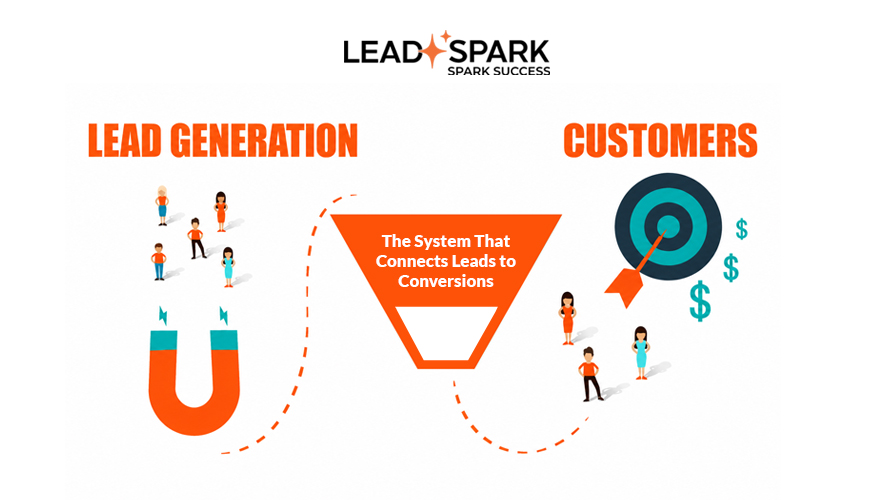
A CRM acts as the bridge that connects both departments.
Imagine a prospect discovers your business through a Facebook advertisement. They submit an enquiry form because they want more information about your product or service. Without a proper system, that enquiry might sit unnoticed in an inbox, get lost inside a spreadsheet, or wait hours before someone follows up.
With an effective CRM lead generation process, every enquiry is captured automatically, assigned to the appropriate team member, and tracked from the very first interaction.
Instead of wondering where leads are coming from or who is handling them, businesses gain complete visibility into the customer journey. Every call, email, message, note, and follow-up becomes part of a centralized system.
Modern CRM platforms also support automated workflows that reduce manual effort. Leads can be categorized, assigned, and prioritized based on predefined rules. This creates a smoother experience for both customers and sales teams while ensuring that no opportunity is overlooked.
The result is a more organized process that helps businesses move prospects through the sales funnel efficiently and consistently.
CRM Lead Tracking Challenges
Most businesses don't lose leads because their products are weak.
They lose leads because their process is weak.
A delayed response can be enough to send a prospect toward a competitor. A missed call can become a lost opportunity. An enquiry forgotten inside a spreadsheet can mean thousands in lost revenue.
Sales teams frequently struggle with scattered data, inconsistent follow-ups, and poor communication across departments. Marketing may continue generating enquiries while sales have no clear visibility into which leads require immediate attention.
This is where businesses begin searching for a reliable lead tracking software or online lead management system.
Without centralized lead management, sales representatives often spend more time searching for information than actually speaking with prospects. The result is frustration for both teams and a poor experience for potential customers.
Another major challenge is identifying which leads deserve immediate attention. Not every enquiry is ready to buy today. Some prospects may be actively comparing vendors, while others are simply gathering information.
This is where lead scoring becomes important.
A CRM can automatically score leads based on their behavior, engagement, demographics, and interactions. This helps sales teams focus on high-intent prospects while continuing to nurture leads that may convert later.
Customers expect quick responses today. Businesses that fail to respond quickly rarely get a second chance.
CRM For Marketing Alignment
The strongest businesses are not necessarily the ones generating the most leads.
They are the ones managing leads most effectively.
A CRM creates a shared environment where marketing and sales work with the same information. Every enquiry is recorded, every interaction is tracked, and every team member can see exactly where a prospect stands within the sales process.
Marketing teams gain insights into which campaigns are generating quality leads. Sales teams receive organized information that helps them prioritize high-intent prospects.
The result is better alignment between departments and fewer opportunities slipping through the cracks.
Instead of operating in silos, both teams begin working toward a common objective—converting more enquiries into paying customers.
One of the most valuable features of CRM lead generation is lead assignment. Rather than manually distributing enquiries, businesses can automatically assign leads to the right representative based on location, product category, industry, or availability.
This reduces response times and improves accountability.
When businesses implement a structured CRM lead management system, they stop guessing and start making informed decisions based on real customer data.
The ability to track campaign performance, measure lead quality, and understand customer behaviour helps both teams make smarter decisions. Marketing can improve targeting strategies, while sales can focus on opportunities that are most likely to convert.
CRM Lead Pipeline Growth
A healthy sales pipeline is not built by generating more enquiries every month.
It is built by managing existing opportunities more effectively.
Successful businesses understand that every lead represents potential revenue. They create systems that ensure every prospect receives timely communication, consistent follow-ups, and a seamless experience from first contact to final conversion.
This is where automation becomes a powerful advantage.
CRM systems can automate follow-up reminders, email sequences, task creation, lead routing, and status updates. These automations reduce manual work and ensure that no lead slips through the cracks.
Another essential component of successful CRM lead generation is lead nurturing.
Most prospects are not ready to make an immediate purchase decision. They may require additional information, trust-building, or multiple touchpoints before moving forward.
Through personalized emails, follow-up calls, educational content, and targeted communication, businesses can nurture leads over time and remain top-of-mind when prospects are ready to buy.
Modern CRM platforms also support seamless CRM integrations with Facebook Lead Ads, Meta Ads and customer support systems.
This creates a connected ecosystem where customer data flows automatically between platforms, giving businesses a complete view of every interaction.
More importantly, CRM systems help businesses respond faster.
And in today's competitive marketplace, speed often determines who wins the customer.
Industry studies consistently show that companies using CRM systems achieve higher sales productivity, while businesses that respond to leads faster often experience significantly better conversion rates. Organizations that combine CRM automation with structured lead management are also more likely to generate qualified leads, helping sales teams focus their efforts on opportunities with genuine buying intent.
The companies achieving sustainable growth are not simply investing in marketing. They are investing in systems that ensure every lead receives the attention it deserves.
That is the true power of CRM lead generation.
Turn Every Lead into Opportunity
Generating leads is only the beginning.
The real challenge is ensuring every enquiry receives the right follow-up at the right time. Without a structured process, valuable opportunities can easily be missed, affecting both revenue and business growth.
LeadSpark helps businesses streamline lead capture, automate lead distribution, track customer interactions, and create a smoother journey from enquiry to conversion.
Ready to strengthen your lead management process and convert more enquiries into customers?
Connect with LeadSpark today and discover how smarter CRM lead generation can drive measurable business growth.
Frequently Asked Questions
Q.1: What is CRM lead generation?
CRM lead generation helps businesses capture, track, and manage potential customers throughout the sales journey.
Q.2: How does CRM improve lead conversion?
CRM improves conversion rates by automating follow-ups, organizing lead data, and reducing missed opportunities.
Q.3: Why is lead scoring important?
Lead scoring helps sales teams prioritize high-intent prospects and focus on leads most likely to convert.
Q.4: Can CRM automate lead management?
Yes, CRM systems can automate lead assignment, follow-ups, reminders, and customer communication workflows.
Q.5: What features should a CRM include?
A good CRM should offer lead tracking, automation, lead scoring, reporting, integrations, and pipeline management.